









How to Brine (and Why You’ll Never Skip It Again)
Brining is the easiest way to lock in juice and build flavor—from holiday turkey to weeknight pork chops.
What You'll Need
Brining 101
Let’s be real—dry, bland meat is a buzzkill. Brining fixes that. It’s simply salt dissolved in water (plus optional sugar, herbs, and spices) that seasons from the inside out, helps meat retain moisture, and makes every bite more tender.
Short version: brining = juicier, more flavorful cooks, whether you’re smoking, grilling, or roasting.
How to Brine Video:
Why Brining Works (The Quick Science)
Flavor from within
Salt penetrates and carries seasoning deeper than a surface rub can.
Moisture retention
Salt changes muscle proteins so they hold onto more water as they cook.
Tender texture
Fibers relax just enough for a better bite—without turning mushy (as long as you don’t overdo it).
Even seasoning
The whole cut tastes right, not just the crust.
How to Brine (Step-by-Step)
- Choose your brine. You can make it yourself or choose one of our ready-made brines with all the flavors you need to soak in the best flavors for your protein of choice.
- Submerge fully. Use a food-safe bucket, pot, or heavy-duty bag like our Lane's Brine Bag. Weigh it down if needed to keep everything under the surface of the water mixture.
- Chill it. It's always best to let your proteins brine in a chilled location like a fridge or a cooler packed with ice.
- Time it right. Stick to these sweet spots:
| Protein / Food | Brining Time |
|---|---|
| Chicken pieces | 4-5 hours |
| Whole chicken (4–5 lb) | 8-12 hours |
| Turkey (10–16 lb) | 24 hours |
| Pork chops / loin | 5-6 hours |
| Pork shoulder / ribs | 8–12 hours |
| Salmon & firm fish | 1–3 hours |
| Shrimp | 30–60 minutes |
| Veggies (cukes, zucchini, carrots) | 10–60 minutes |
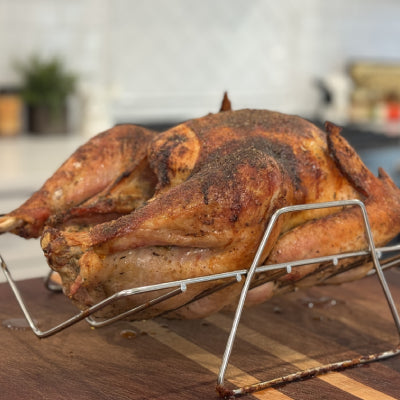
- Dry. At this point, you are almost ready to cook, but it helps to let your brined meats with skin (turkey, chicken, etc.) sit a bit to dry. The fridge is a great choice. For example: After brining a turkey, pull it out of the brine and let it sit in the fridge for around another 8-12 hours to dry. This will help give the skin a crisper texture when cooking.
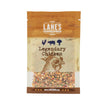
- Season & Cook. Depending on the type of meat or veggie you are smoking or cooking, be sure to cover it with your favorite flavor of seasoning. Most of our rubs have been crafted to work on any type of meat, but some pair better with different proteins than others due to the ingredients. For instance, because of the sugar, Apple pie and Spellbound go great with pork. Legendary Chicken goes amazingly (of course) on chicken. Find your favorite seasoning and go to town with it. Now you are ready to cook!
Not Just for Turkey: What to Brine
Turkey is the classic—but brining is a year-round power move. Here are the most popular picks:
Turkey
Whole birds, breasts
Chicken
Whole birds, breasts, thighs, wings
Pork
Chops, loins, tenderloin, shoulder, ribs
Beef
Lean steaks and roasts benefit most
Seafood
Salmon, cod, halibut, shrimp (short soaks)
Game birds
Duck, pheasant, quail, Cornish hens
Veg & fruit
Cucumbers (quick pickles), watermelon rind, zucchini, carrots
Plant-based
Firm tofu, seitan
Pro Tips for Better Brining
Always brine under 40°F in the fridge.
Kosher or sea salt. Table salt is denser—reduce if you swap.
Adds flavor and promotes browning—optional but recommended.
Citrus, garlic, bay, peppercorns, herbs—go wild, just don’t overpower.
Salt the surface and rest uncovered for killer crispy skin on poultry and steaks.
Once raw meat has been in the brine, discard it after use. Don't save or reuse it.
Make It Easy with Lane’s
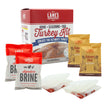
Skip the guesswork with Lane’s Signature Brine and Lane’s Sweet Tea Brine. They dissolve fast, taste balanced, and work on turkey, chicken, pork, and more.
Brining FAQs
Why is my brine hard or clumpy?
Because brine contains salt and sugar, it can naturally harden or clump inside the package. Don't worry, the brine is still good to use. Massage the sealed package or gently break up the clumps before opening. If it's still a little stubborn, add it to the water as-is and stir well. The clumps will dissolve as the brine mixes with the water.
How long should I brine a turkey?
For a whole turkey, we recommend brining for 24 hours in the refrigerator. This gives the brine time to season the turkey and help it retain moisture without overdoing it.
How much water do I need for turkey brine?
If you're using a Lane's Turkey Brine Kit, start with 1 gallon of water and the included Signature Brine. Add your turkey and, if it isn't fully submerged, add more water as needed.
Does brine need to be refrigerated?
Yes. Always keep meat and brine below 40°F while brining. The refrigerator is the easiest option, but a cooler packed with ice can also work as long as everything stays safely chilled.
Does brining make meat too salty?
Not if you use the correct brine-to-water ratio and stick to the recommended brining time. More time isn't always better, so use the appropriate brining time for whatever you're preparing.
Can I brine overnight?
Absolutely. Larger cuts and whole birds often benefit from an overnight brine. For a whole turkey, we recommend a full 24-hour brine.
What's the difference between wet brine and dry brine?
A wet brine soaks the meat in a salt-and-water mixture, often with sugar, herbs, and spices. A dry brine uses salt and seasoning directly on the surface of the meat before it rests in the refrigerator. Both add flavor, but wet brining can also help meat retain moisture during cooking.
Can I reuse brine?
No. Once raw meat has been in the brine, discard it after use. Don't save or reuse it.
Do I need a special container for brining?
No. A food-safe bucket, large pot, or heavy-duty brining bag works great. Just make sure the meat stays fully submerged and safely chilled while it brines.
Is brining just for turkey?
Not at all. Brining works great for chicken, pork, lean beef cuts, salmon, shrimp, game birds, and even vegetables. Just remember that smaller and more delicate foods need much shorter brining times than a whole turkey.


1 comment
Roz
I have been using a brine for may years. It always amazes me how much better food turns out when you brine. However, It seems folks are reluctant to try it. I used your brine last year for the turkey and Cornish hens. I must tell you it is really good and imparts a very nice flavor to your food. It’s a no muss no fuss brine that is actually great tasting….
Roz
Leave a comment
All comments are moderated before being published.
This site is protected by hCaptcha and the hCaptcha Privacy Policy and Terms of Service apply.